Campagne Animaux Cirques Actualité Législation Aller plus loin

<<

Animals in circuses, time to abolish this slavery?


- The proof in images...>>


Stress Behind the Glitz and Glitter : New Report about animal in circuses >>

- From animal-object to sentient being... >>

- The lives of others (By Benjamin Zephaniah) >>

Context

Circus animals are forced to survive in an environment that meets none of their needs. Cramped cages, the sensation of being trapped, the impossibility of forming a balanced social group or developing the wide range of behaviours typical of its species are all factors that cause suffering and make the animal's existence especially difficult.

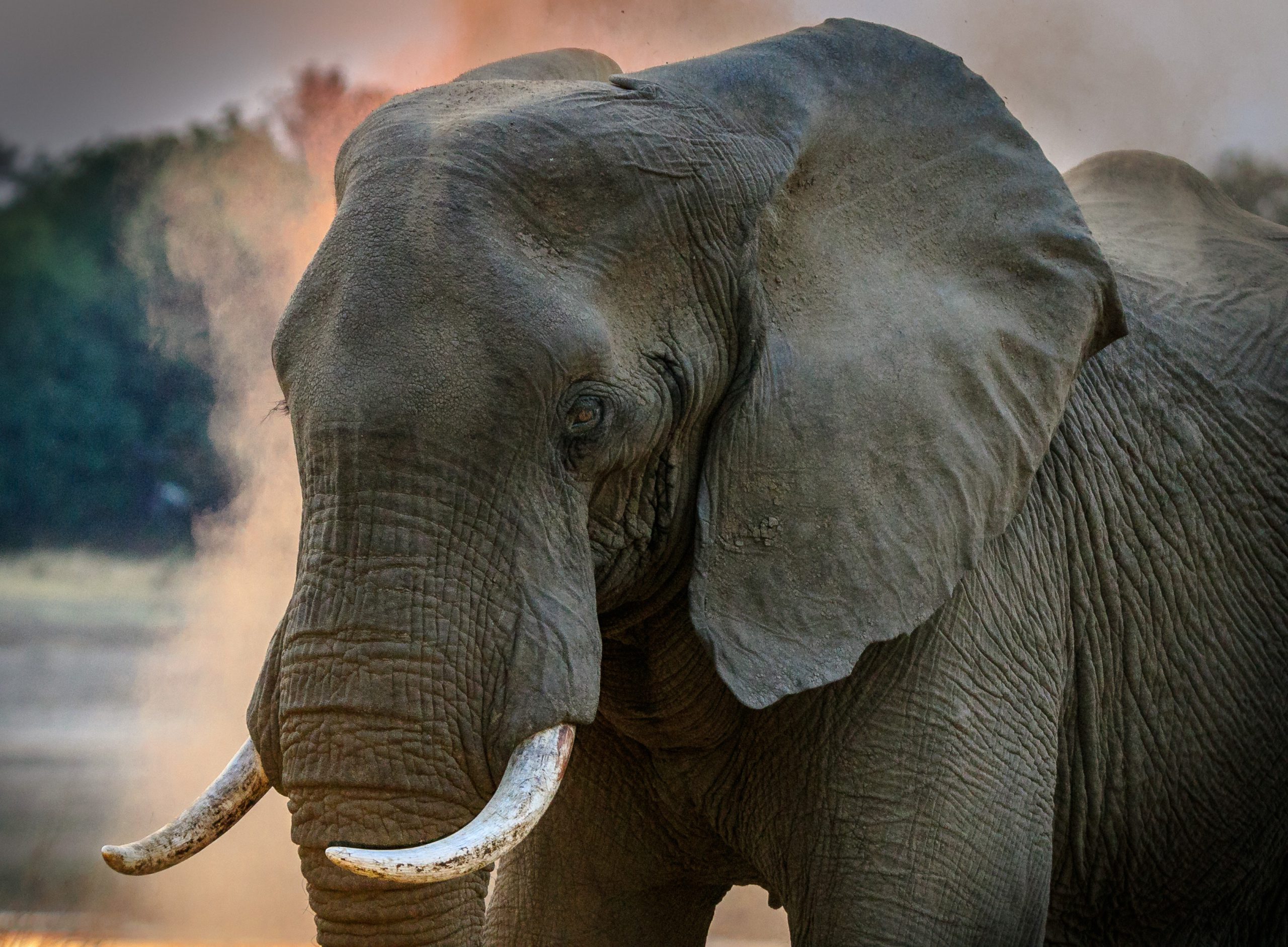
In addition to this forced captivity is the submission to often violent training that is always contrary to the animal's instincts. The purpose of training is to force the animal into submission and adopt a posture or behaviour that goes against its instincts. This training is based on a cruel and horribly simple technique:   the pain inflicted by the trainer if the animal refuses must be greater than that felt when performing these degrading acts. The elephant, bear, or chimpanzee resigns itself to performing as required by the human through fear of the intense pain of blows. Instruments such as spikes or ankuses, used to "discipline" elephants, are repeatedly used to give the animal violent and painful reminders of what awaits them if they refuse to perform.

The animal's reaction to these conditions of captivity and coercion are primarily:

·- Loss of will and abnormal behaviour:   the animal sinks into a depressed state, becomes passive and demonstrates behavioural disorders such as licking the bars of its cage (primates and wildcats), shifting from one foot to another (also known as "weaving") (elephants, hippopotamuses), incessant pacing (felines), head-bobbing (elephants, bears), self-mutilation (primates, parrots), etc.


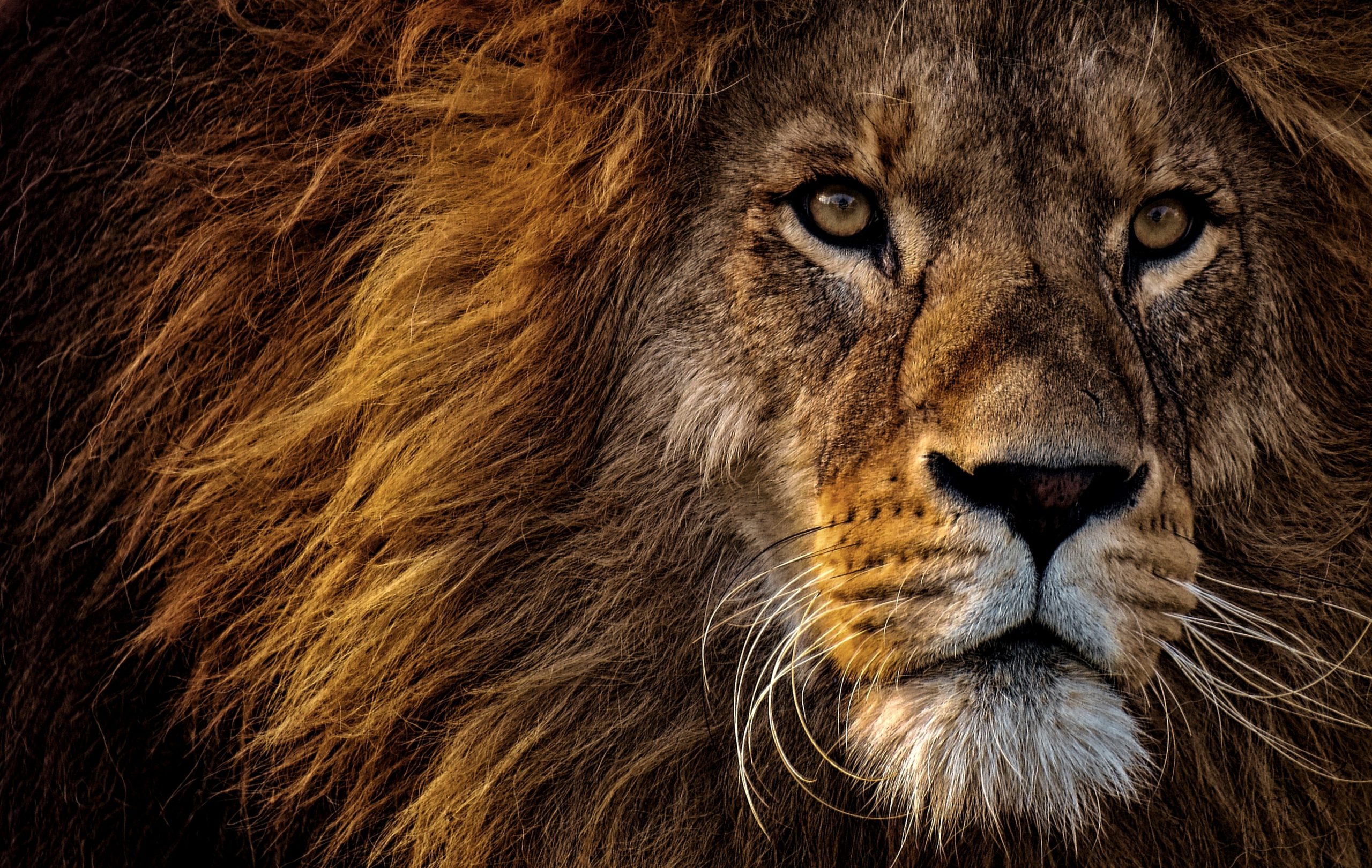
·- Escaping:   lions (Bas-Rhin, 2000 - Lyons, 2001 - Marseilles, 2002), hippopotamuses (Ile de France, 2000 - Somme, 2004), macaques (Bouches-du-Rhône, 1999), elephants (Lyons, 2000), tigers (Paris, 1999 - Nantes, 2000), etc.

·- Extreme aggressiveness and attacking humans: bears (Paris, 1998 - Lyons, 1998), tigers (Strasbourg, 1997 - Toulouse, 2003), chimpanzees (Gironde, 2004), elephants (Béziers, 1964 - Paris, 2001 - Sorgues, 2006), etc.


A perverse system

Although it goes against the animal's biological equilibrium, as these behavioural disorders show, holding animals is legal in France with the relevant authorisation known as a certificat de capacité .

This certificate recognizes the holder's ability to "take responsibility for the care of non-domestic animal species." However, being in possession of this certificate in no way guarantees that the animal will be kept in accordance with its natural needs. Put simply, this "diploma" guarantees neither the respect of the animal's physiological and psychological needs nor, obviously, its freedom of movement. Legislators have failed to take into consideration the obvious incompatibility between animals' conditions of captivity in a travelling circus and the behavioural requirements of each species. The certificat de capacité legitimizes this new form of slavery but does not abolish it.

Clearly, a system so devoid of ethological considerations cannot function properly; hence many circus-owners hold animals, some of them dangerous, without this administrative authorization.   And despite the numerous non-compliance reports served to these circuses, no animal has ever been removed.

That no animals have been seized confirms two things:   not only does the certificat de capacité serve no useful purpose, once again and quite typically when money is at stake, the State chooses not to intervene on behalf of the animal. The dozen or so hippopotamuses illegally held in France are symbolic of the deliberate inertia of the powers that be. These animals, held in total non-compliance with regulations, in conditions which veterinarians have qualified as "conditions of physiological misery", and which have escaped several times, when they are considered the most deadly animals in Africa, have yet to be removed from the circuses that hold them.

This is why, given the above observations, we can legitimately raise questions such as:

- Must we wait for an animal to die before removing it from the circus?

- Must we wait until a child is killed before questioning the presence of dangerous animals in circuses?

- What is the point of certificats de capacité and administrative controls?

- Why bother with more studies on these animals' miserable lives or continue to gather opinions if the State is determined to perpetuate this slavery?


A growing awareness...

Internationally, legislation is becoming harsher under pressure from growing public compassion towards animals.

In France, as part of the revision of the decree of August 21st, 1978 which defines the general framework for the functioning and control of establishments presenting live animals, both indigenous and non-indigenous, to the public, the Ministry of Ecology is expected to soon present a new decree that will be specific to circus animals.

Just as slave-traders opposed threats to abolish slavery, the owners of animal circuses are taking action to make this future decree as lax and empty of substance as the current system of certificats de capacité .

While their reaction is to be expected, it must not mean that once again we, humans, favour servitude over respect and compassion. This is why it is time to once and for all abolish the form of slavery that is the use of animals in circuses.

Translation by

Rapport (Pdf) : "Les animaux, malades du cirque ou l'esclavage itinérant" (mars 2002 - Franck Schrafstetter / One Voice)

 
Marche virtuelle

Etes-vous abolitionniste ou esclavagiste ?

Rejoignez la marche virtuelle pour l'abolition de l'esclavage des animaux dans les cirques


Coup de gueule, d'un circophile >>


Campagne Animaux Cirques Actualité Législation Aller plus loin


-